City Guide · Updated June 2026

Clarksville,TN

Pop. 166,722Score7.1/10
$310k
Median Home
$1,400
Median Rent
22
Walk Score
7/10
Schools
90
Cost Index
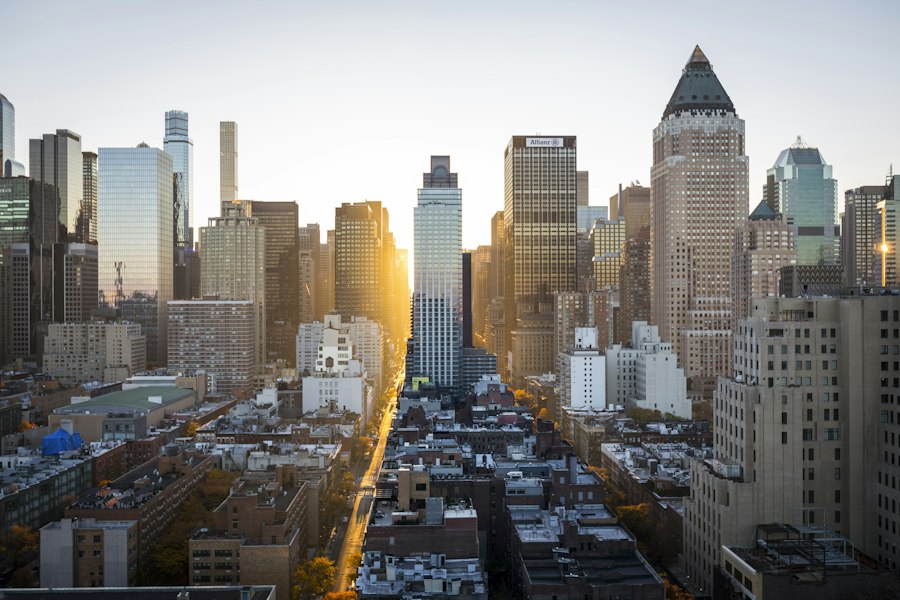
Clarksville, Tennessee skyline / area view
ADVERTISEMENT
Overview

Tennessee's military gateway, Nashville's overflow valve.

Clarksville, Tennessee sits in Montgomery County at 551 ft elevation, Nashville (47 mi). Population 166,722 · 3.4% annual job growth · major employers include Fort Campbell Army Base, Austin Peay State, Trane Technologies.

Clarksville sits 47 miles northwest of Nashville on the Kentucky border, and its identity is shaped by two things: Fort Campbell (one of the largest US Army installations in the world, straddling the state line) and proximity to Nashville. The military presence keeps the population young, transient, and economically active; Nashville's gravity keeps growth coming.

Austin Peay State University, Trane Technologies, and a major Hankook tire plant round out the employer mix. The city has roughly doubled in population since 1990 and is now one of Tennessee's fastest-growing cities — though the growth is mostly suburban single-family construction rather than urban infill.

Cost of living is significantly cheaper than Nashville for similar lifestyle. No Tennessee state income tax. The Cumberland River and Dunbar Cave State Park provide outdoor anchors. The trade-offs: tornado season is real, the I-24 commute to Nashville has lengthened, and the city is more car-dependent than peer cities its size.

Best fit
  • Fort Campbell soldiers and contractors
  • Buyers priced out of Nashville
  • Austin Peay faculty and staff
  • Hybrid workers commuting to Nashville
Watch out for
  • I-24 commute to Nashville is the chronic complaint
  • Tornado season (Mar–May) is severe
  • School ratings vary significantly by district
History & economy

Clarksville was founded in 1784 and named after George Rogers Clark. Fort Campbell opened during WWII and has been the city's defining economic and cultural force ever since.

Getting around

Car-required. CTS bus service covers the core. Nashville (BNA) airport is the primary air hub, 60 minutes away.

Food & culture

Downtown Clarksville's restaurant and brewery scene has grown (Strawberry Alley Ale Works, Liberty Park Grill). Customs House Museum and Roxy Regional Theatre anchor culture.

Outdoors & climate

Cumberland River and Dunbar Cave State Park; Land Between the Lakes (a major outdoor recreation area) 45 minutes northwest; Nashville's larger amenities are an hour away.

CountyMontgomery County
Founded1784
Area97 sq mi
Elevation551 ft
TimezoneCentral (CT)
ClimateMild
Nearest Major CityNashville (47 mi)
AirportNashville (BNA)
Quick Score Dashboard

How Clarksville scores

22/100
Walkability
7/10
Schools
6.8/10
Safety
3.4%
Jobs
110
Affordability
7.1/10
Lifestyle
Photo Gallery

Clarksville in pictures

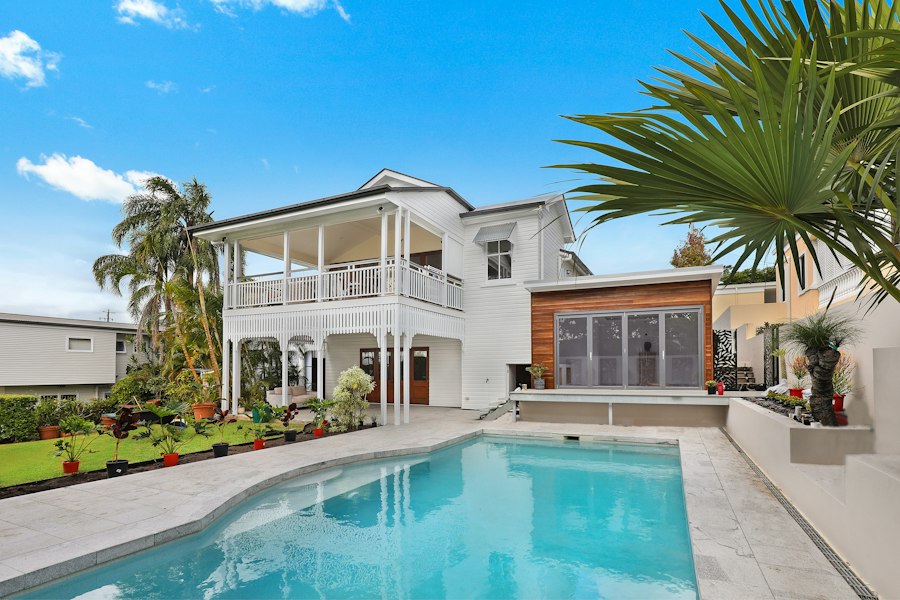
A visual tour of Clarksville, Tennessee — neighborhoods, homes, parks and everyday street life.

Neighborhoods

Explore Clarksville

Sango is the upscale family neighborhood; downtown and the historic district have character; the north side is closer to Fort Campbell; new construction is heavy on the east side.

Downtown Clarksville, Clarksville — street view6.8/10

Downtown Clarksville

50
Walk
6.6
Schools
7.1
Value
WalkableDiningArts
Clarksville Heights, Clarksville — street view7.0/10

Clarksville Heights

28
Walk
7.3
Schools
7.3
Value
HistoricFamily-Friendly
West Clarksville, Clarksville — street view7.2/10

West Clarksville

12
Walk
7.7
Schools
7.5
Value
Top SchoolsSuburban
Old Town Clarksville, Clarksville — street view7.4/10

Old Town Clarksville

36
Walk
7
Schools
7.2
Value
HistoricTree-Lined
Location

Clarksville from above

Satellite view of Clarksville, TN. Explore the city's footprint, neighborhoods, parks, and proximity to highways and nearby cities.

Drag to pan · scroll to zoom · click the fullscreen icon for a larger viewOpen 3D / Earth view →
ADVERTISEMENT
Live Listings

Properties in Clarksville

Real, active listings refreshed daily. Tap a card to view details on the source site.

ADVERTISEMENT
Cost of Living

Compared to the US national average

Housing
-12% vs US$1,450$1,280
Groceries
+3% vs US$620$640
Healthcare
+1% vs US$380$388
Transport
-8% vs US$480$420
Utilities
-8% vs US$180$165
Taxes
-10% vs US$2,100$1,890
Real Estate

24-month median home price

$310k
Median Price
$182
Price / sqft
31
Days on market
99.2%
List-to-sale
ADVERTISEMENT
Honest Tradeoffs

Pros & cons of moving to Clarksville

Pros

  • Cost of living significantly below Nashville for similar lifestyle.
  • No Tennessee state income tax.
  • Fort Campbell provides stable, large-scale employment.
  • Real outdoor access via the Cumberland River and Land Between the Lakes.

Cons

  • I-24 commute to Nashville has lengthened with regional growth.
  • Tornado risk is real and severe in spring.
  • Walkability is limited to specific districts.
  • School quality varies significantly by neighborhood.
In-depth

Why Clarksville is worth your consideration

The profile

Clarksville, Tennessee occupies a specific niche in the American relocation map. With a population of 166,722 and median home prices around $310,000, the city is squarely mid-sized — large enough to support a real economy, small enough that traffic, housing, and day-to-day logistics stay manageable. It sits nashville (47 mi), in Montgomery County, which shapes both the job market and the cultural pull from the larger metro nearby. Founded in 1784, Clarksville has the kind of layered history that gives a place a personality beyond its data — neighborhoods built across different decades, an established downtown, and major employers like Fort Campbell Army Base and Austin Peay State that anchor the local economy. The cost of living index of 90 puts it slightly below the national average — modest but real savings on the basics, which is the headline reason most newcomers look here in the first place.

The honest reality check

That said, Clarksville is not perfect, and pretending it is would do you no favors. Clarksville's climate is genuinely moderate — warm summers, cool but rarely brutal winters, and a long shoulder season of pleasant weather most people underestimate. You can be outdoors most of the year without serious gear, which shapes how the city actually feels day to day. The school system rates 7/10, which reads as acceptable — average to slightly-above, with district-by-district variation. Safety scores at 6.8/10 — roughly typical for a mid-size American city — real but manageable property crime, low violent crime in most neighborhoods. The walkability score of 22/100 means you will absolutely need a car for almost everything, every day. Public transit is essentially nonexistent for daily life. Pollen counts in spring can be punishing if you have allergies. Severe storms are occasional but real. None of these are dealbreakers on their own, but together they describe the texture of life here — and they matter more than a single headline ranking.

Who should — and shouldn't — move here

Clarksville fits a specific kind of household well. Remote workers earning a strong salary tend to do best — a $310,000 median home price means your housing budget stretches dramatically further than it would in a tier-1 metro, and the job market is stable and modestly growing (3.4% annually) around employers like Fort Campbell Army Base, Austin Peay State, Trane Technologies, which matters less if your paycheck arrives from elsewhere. Families prioritizing space and value over elite school districts tend to be happy, particularly if the local schools (rated acceptable — average to slightly-above, with district-by-district variation) match what their kids actually need. Retirees and career changers looking to reset financially find the cost structure genuinely supportive. Who tends to be unhappy here? People who expected dense, walkable urban living and discovered they need a car; professionals who require a tier-1 local job market and don't have remote flexibility; families who assumed schools would be elite without checking; and anyone who underestimated mild weather. Self-awareness about fit matters more than any ranking — including ours.

Market trajectory

Clarksville's housing market trajectory is, frankly, more interesting than dramatic. Median prices around $310,000 with median rents at $1,400/month put it in a band where buying becomes mathematically reasonable for people with stable income. Job growth of 3.4% per year is enough to keep the local economy stable without creating speculative pressure. Compared to overheated Sunbelt markets (Austin, Nashville, Phoenix) where appreciation has been 8–12% annually and the risk of buying at a peak is real, Clarksville's market behaves more like a working city than a casino. For buyers who plan to stay 5+ years, this is a feature, not a bug. Inventory in 2026 remains adequate, and negotiating power exists on the buyer side in most neighborhoods outside the top-rated school zones.

A Practical Timeline

Your first 90 days in Clarksville

Days 1–14 · Logistics

Days 1–14 are logistics. Get your driver's license transferred and your vehicle registered — Tennessee DMV processes are reasonable but plan a half-day. Open a local bank account (national banks and a credit union both work; locals often prefer the credit union for service). Spend the first weekend driving the city — Clarksville's personality comes through faster from behind the wheel than from any guide. Stock the pantry: groceries here run about below the national average, and you'll find that the major chains (HEB, Publix, Kroger, or regional equivalents depending on which is dominant locally) plus a handful of specialty stores cover almost everything. Set up utilities — power, water, internet — and budget around $180–$240/month combined for a typical household. By day 10, you should have a functional baseline.

Days 15–45 · Integration

Days 15–45 are integration and the first real challenges. Clarksville's climate is genuinely moderate — warm summers, cool but rarely brutal winters, and a long shoulder season of pleasant weather most people underestimate. You can be outdoors most of the year without serious gear, which shapes how the city actually feels day to day. Socially, Clarksville is small enough that the same faces appear at the same places, which is either charming or claustrophobic depending on your temperament. Work-wise, if you're remote, you'll appreciate the quiet — cafes have seats, internet is reliable, and you'll get more done than you did in your last city. If you're job-hunting locally, expect the market to be the job market is stable and modestly growing (3.4% annually) around employers like Fort Campbell Army Base, Austin Peay State, Trane Technologies. Around day 30 it's normal to hit a "wait, is this it?" wave — this passes in almost everyone who stays past day 60. The people who leave usually decide by week 6.

Days 46–90 · Settling in

Days 46–90 are settling in. By now you have favorite places — a coffee shop, two or three restaurants, a route you run or bike, a grocery store where you know the layout. If you bought a home, the size and value start sinking in positively; if you rented first (a smart move for most newcomers), you'll have a clearer sense of which neighborhood actually fits your life rather than the one that looked best on the listing site. The honest truth: residents who stay past 90 days in Clarksville usually stay for years. The people who leave early are almost always those who didn't realistically check the mild climate, the car-dependence, or the local job market against their actual lives. By month three, you have real data — not assumptions — and you can decide whether Clarksville is a one-year stop or a decade-long home.

Detailed Neighborhood Analysis

A closer look at where to live

Downtown Clarksville

$270k–$332k·Walk 50/100·Walkable core, mixed-use, older housing stock

Downtown Clarksville is the part of Clarksville where walkable core, mixed-use, older housing stock defines the character. Median single-family prices land roughly in the $270k–$332k band, with walkability around 50/100 — walkable in pockets, but you'll still drive for major errands.

History & character

The downtown core represents the oldest commercial heart of the city, with buildings dating to the late 1800s and early 1900s that have been progressively restored over the past two decades. The current revitalization is real but gradual — it's not a manufactured 'arts district,' it's an actual place that functioned for a century.

Schools

Schools serving Downtown Clarksville rate around 6.6/10 — average, with the usual public-school variation you'd expect — check the specific elementary boundary before buying.

Lifestyle & amenities

Day-to-day lifestyle leans toward cafes, small restaurants, art galleries, and weekend foot traffic. Nightlife is modest by big-city standards but real — usually a few hundred people out on a Saturday rather than thousands.

What it actually costs

Real monthly cost for a 3-bedroom home in Downtown Clarksville runs roughly $1,397–$1,663 for rent, or roughly $1,696 for a typical owner's monthly carrying cost (P&I at 6.5% on 20% down, taxes, basic insurance — HOA and PMI extra).

Who fits here

Best fit: young professionals, downsizing empty-nesters, remote workers who value walkability. Less good fit: families needing top-tier schools or wanting a large yard.

Clarksville Heights

$301k–$363k·Walk 28/100·Established residential, tree-lined streets

Clarksville Heights is the part of Clarksville where established residential, tree-lined streets defines the character. Median single-family prices land roughly in the $301k–$363k band, with walkability around 28/100 — car-dependent for almost everything outside the immediate block.

History & character

Clarksville Heights came together mostly between the 1940s and 1970s — solid mid-century housing, mature trees, walkable to neighborhood schools, and the kind of stable residential character that takes generations to build.

Schools

Schools serving Clarksville Heights rate around 7.3/10 — average, with the usual public-school variation you'd expect — check the specific elementary boundary before buying.

Lifestyle & amenities

Day-to-day lifestyle leans toward a mix of older residential blocks and a handful of neighborhood-serving businesses — coffee, a hardware store, a couple of restaurants — without much nightlife.

What it actually costs

Real monthly cost for a 3-bedroom home in Clarksville Heights runs roughly $1,544–$1,838 for rent, or roughly $1,861 for a typical owner's monthly carrying cost (P&I at 6.5% on 20% down, taxes, basic insurance — HOA and PMI extra).

Who fits here

Best fit: families with school-age kids who want character over new construction. Less good fit: buyers prioritizing walkability or new construction.

West Clarksville

$332k–$394k·Walk 15/100·Newer suburban development, top-rated schools

West Clarksville is the part of Clarksville where newer suburban development, top-rated schools defines the character. Median single-family prices land roughly in the $332k–$394k band, with walkability around 15/100 — car-dependent for almost everything outside the immediate block.

History & character

Most of West Clarksville was developed from the 1990s onward, with master-planned subdivisions, newer schools, and the kind of street grid that prioritizes cul-de-sacs over connectivity. It's where the city expanded to accommodate growth without disturbing the older fabric.

Schools

Schools serving West Clarksville rate around 7.7/10 — solid above-average, fine for most families without needing to look at private alternatives.

Lifestyle & amenities

Day-to-day lifestyle leans toward chain restaurants in retail centers, newer gyms and grocery stores, and a more car-oriented rhythm. Convenient for families managing logistics, less interesting for people who want streetscape.

What it actually costs

Real monthly cost for a 3-bedroom home in West Clarksville runs roughly $1,690–$2,012 for rent, or roughly $2,025 for a typical owner's monthly carrying cost (P&I at 6.5% on 20% down, taxes, basic insurance — HOA and PMI extra).

Who fits here

Best fit: school-focused families willing to drive for everything. Less good fit: people who hate driving everywhere or want urban texture.

Old Town Clarksville

$285k–$347k·Walk 36/100·Historic district, smaller lots, character homes

Old Town Clarksville is the part of Clarksville where historic district, smaller lots, character homes defines the character. Median single-family prices land roughly in the $285k–$347k band, with walkability around 36/100 — car-dependent for almost everything outside the immediate block.

History & character

The historic district preserves the original residential footprint of the city — bungalows, craftsmans, and modest two-stories on smaller lots, almost all built before 1950. Many have been carefully renovated; some still wait for the right owner.

Schools

Schools serving Old Town Clarksville rate around 7/10 — average, with the usual public-school variation you'd expect — check the specific elementary boundary before buying.

Lifestyle & amenities

Day-to-day lifestyle leans toward quiet, walkable residential streets with a couple of long-running neighborhood cafes and a real sense of community calendar — block parties, holiday gatherings, casual front-porch culture.

What it actually costs

Real monthly cost for a 3-bedroom home in Old Town Clarksville runs roughly $1,470–$1,750 for rent, or roughly $1,778 for a typical owner's monthly carrying cost (P&I at 6.5% on 20% down, taxes, basic insurance — HOA and PMI extra).

Who fits here

Best fit: buyers who prioritize architecture and walkable streets over new amenities. Less good fit: buyers who want move-in-perfect newer construction.
Real monthly numbers

What life actually costs in Clarksville

Three example households, with realistic 2026 numbers built from Clarksville's actual cost index, median rent ($1,400), and median home price ($310,000). Your number will vary — these are honest baselines, not aspirational marketing.

Single remote worker, age 28, $85,000 salary
Income: $85,000/year
Rent (1-bed, decent neighborhood)Studios run ~15% less$1,190/mo
Groceries$342/mo
Car payment + insurance + gas$420/mo
Utilities + internet$153/mo
Phone + streaming + subscriptions$95/mo
Health insurance (employer plan share)$160/mo
Going out, gym, hobbies$320/mo
Total monthly cost$2,680/mo

After federal and state taxes (roughly $18,700/year), monthly take-home runs about $5,525. Living costs of $2,680/month leave roughly $2,845/month for aggressive savings or lifestyle inflation. Most remote workers at this salary genuinely save 25%+ of gross — that's the Clarksville math.

Family of 4, both parents working, $135,000 household
Income: $135,000/year
Mortgage P&I + taxes + insurance (median home, 20% down)6.5% rate, 30-year$1,788/mo
Groceries (family of 4)$990/mo
Two cars (payments, insurance, fuel)$720/mo
Utilities + internet$216/mo
Childcare or after-school (school-age kids)$450/mo
Family health insurance share$480/mo
Activities, eating out, family extras$520/mo
Total monthly cost$5,164/mo

Take-home around $8,550/month after taxes. Core costs of $5,164/month leave roughly $3,386/month for retirement savings, 529 contributions, vacations, and the unexpected. Tight in higher-cost neighborhoods, comfortable in most of the city.

Retired couple, age 67, $58,000 combined SS + small pension
Income: $58,000/year
Property tax + insurance on paid-off median home$424/mo
Groceries$378/mo
One car (insurance, fuel, maintenance — no payment)$220/mo
Utilities + internet$162/mo
Medicare premiums + supplement$280/mo
Prescriptions + out-of-pocket health$140/mo
Travel, hobbies, eating out, gifts$360/mo
Total monthly cost$1,964/mo

Net income roughly $4,833/month (most retirement income is partially taxed). Living costs of $1,964/month leave a modest buffer — secure rather than wealthy. Beats trying to retire on the same income in a coastal metro by a wide margin.

Honest Answers

Questions from people considering Clarksville

How bad is the mild weather, really?

Clarksville's climate is genuinely moderate — warm summers, cool but rarely brutal winters, and a long shoulder season of pleasant weather most people underestimate. Pollen counts in spring can be punishing if you have allergies. Severe storms are occasional but real. Realistic answer: most people adapt within a year, but a meaningful minority never do. If you're considering Clarksville and you've never lived in this climate, plan a one-week visit during the worst month (the hottest week of summer) before committing.

Are the schools actually good, or just "good for the area"?

Schools rate 7/10 — acceptable — average to slightly-above, with district-by-district variation. That's the citywide average; individual elementary and high school zones vary noticeably. Before buying in a specific neighborhood, look up the exact attendance zone on the district website and check GreatSchools and Niche for that school specifically, not the city overall.

Is it safe?

Safety scores at 6.8/10 — roughly typical for a mid-size American city — real but manageable property crime, low violent crime in most neighborhoods. Property crime is the more common concern (car break-ins, package theft) than violent crime in most neighborhoods. Standard urban hygiene applies: lock your car, don't leave valuables visible, install a basic camera. Specific high-crime corridors exist; ask local Reddit or a real estate agent which streets to avoid.

Can I find a job locally, or do I need to be remote?

the job market is stable and modestly growing (3.4% annually) around employers like Fort Campbell Army Base, Austin Peay State, Trane Technologies. If you have a remote job already, this question is irrelevant and Clarksville is genuinely a great deal. If you need to job-hunt locally, expect salaries in the $55–80k range for most professional roles, with the major employers (Fort Campbell Army Base, Austin Peay State, Trane Technologies) setting the upper end.

How's traffic and getting around?

Walkability is 22/100 and transit is 10/100 — practically, you need a car for nearly everything. Traffic is minimal — most drives are under 20 minutes door to door. Plan for car ownership; budget $3,800–4,500/year per car all-in.

Should I rent first or buy right away?

Rent for 3–6 months unless you already know Clarksville well. A $1,400/month median rent on a 2–3 bedroom buys you time to learn the neighborhoods, test the commute, and avoid the most common relocation mistake: buying in the wrong part of town because the listing photos were prettier. After six months, you'll have a confident view on whether to buy and where.

What's the social scene like for newcomers?

Small enough that you'll see the same faces at the same places — charming if you're sociable, isolating if you're not. The fastest on-ramps are gyms, faith communities, hobby leagues, and (for parents) school-based networks. Expect 3–6 months to feel genuinely connected, longer if you're remote and don't have a built-in coworker network.

Are property taxes high?

Tennessee has no state income tax, which means property taxes do more of the heavy lifting — expect roughly 1.0–1.3% of assessed value per year on a typical home in Clarksville. On a $310,000 median home, that's about $3,410/year. Insurance varies more by neighborhood and property than by city.

What's the food and dining scene actually like?

Honest answer: the scene is decent and improving — a handful of genuinely good restaurants, the major cuisines represented, a growing craft beer presence, and the chain options for the rest. You won't be wowed weekly, but you won't be starved. Grocery quality is fine — major chains plus usually one or two specialty options.

Will I regret moving here?

Depends entirely on what you expected. If you came expecting affordable space, manageable lifestyle, and a slower rhythm than a tier-1 metro — most people are quietly happy here, and the people who quietly stay for decades outnumber the ones who leave. If you came expecting urban density, elite schools, nonstop nightlife, or rapid career advancement in a local company — you'll be disappointed within a year. By day 90 you'll know. Trust that instinct.

ADVERTISEMENT
Also Consider

People who viewed Clarksville also researched:

Data sources & freshness
Last updated: January 2026

All figures on the Clarksville, TN profile are compiled from verified public and industry datasets. Nabelly is independent — we accept no paid placements from cities, brokers, or developers. See our methodology for how scores are calculated.

Disclaimer: Figures are estimates for research purposes and may lag real-time market conditions. Verify critical numbers with a local professional before making relocation, purchase, or employment decisions.

ADVERTISEMENT